
Long Reads
Author: Richard Alderson - Senior Football Writer
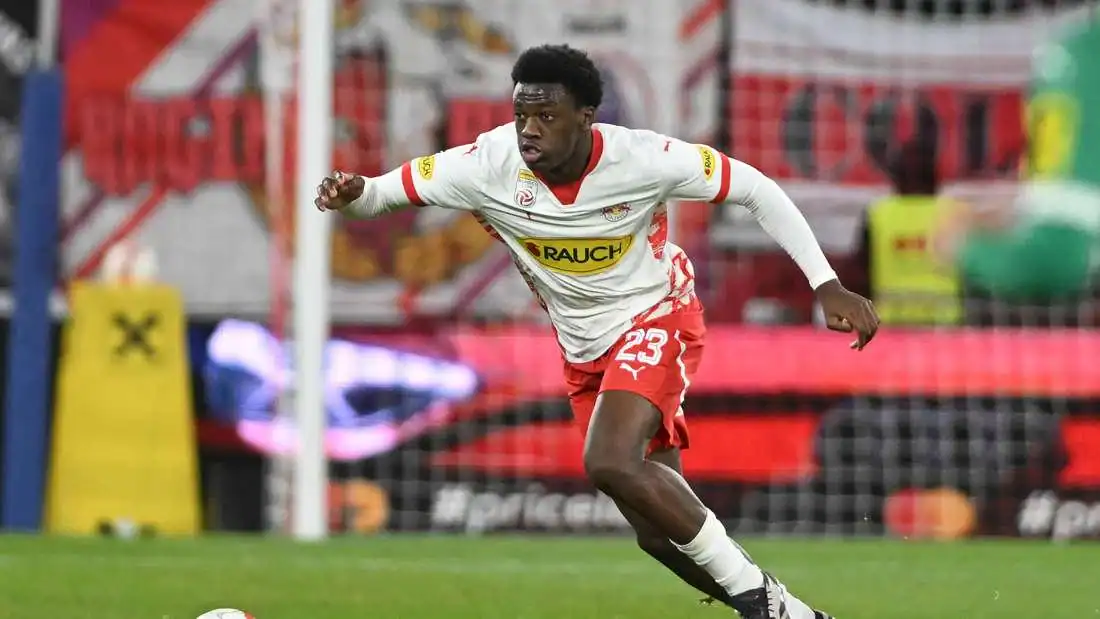
For all the stability Eddie Howe has restored at Newcastle United, the centre of defence has become an area of growing concern. Fabian Schär’s long-term absence has removed not just experience but leadership and clarity from the back line, leaving the squad light both numerically and stylistically. At the same time, Sven Botman , so dominant in his first season at St James’ Park, has yet to consistently rediscover that level after two injury‑hit campaigns.
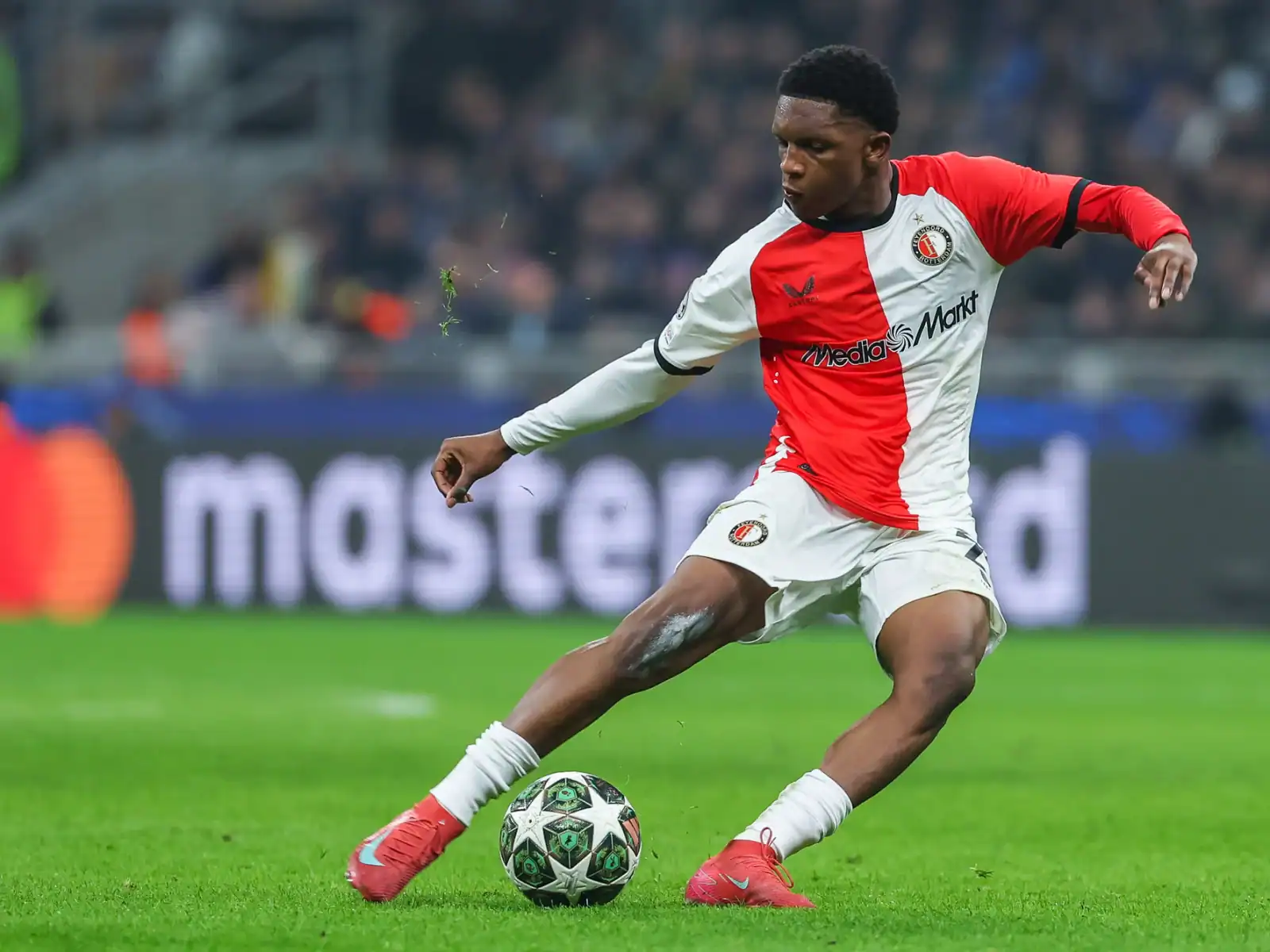
There are positions in a football team that quietly define stability. Right-back is one of them. For Newcastle United, it has increasingly become a source of improvisation rather than security, and as the winter window opens, that feels unsustainable.
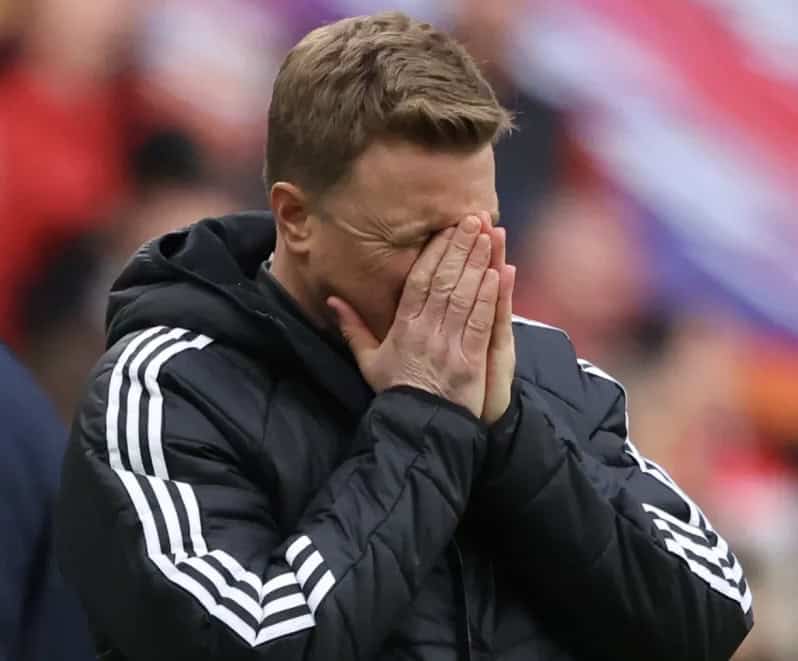
The final whistle at Molineux arrived without drama, but not without consequence. A 0-0 draw away to Wolves — a side who came into the afternoon with seven points all season — felt less like a missed opportunity and more like an admission. If Newcastle United harbour genuine ambitions of returning to European football, these are the games that must be negotiated with authority. Not scraped. Not endured. Won.
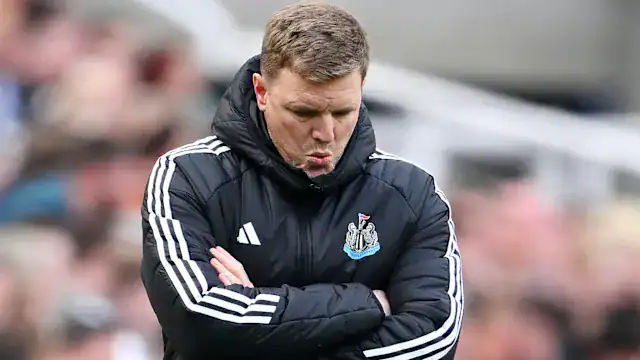
There’s a particular kind of quiet that settles over St James’ Park when a season loses its shape. Not the nerves that used to come with relegation battles, nor the thunder that carried Newcastle into the Champions League again for the first time in two decades, but the hush of uncertainty: are we still on the right path, or has the project hit its natural ceiling?
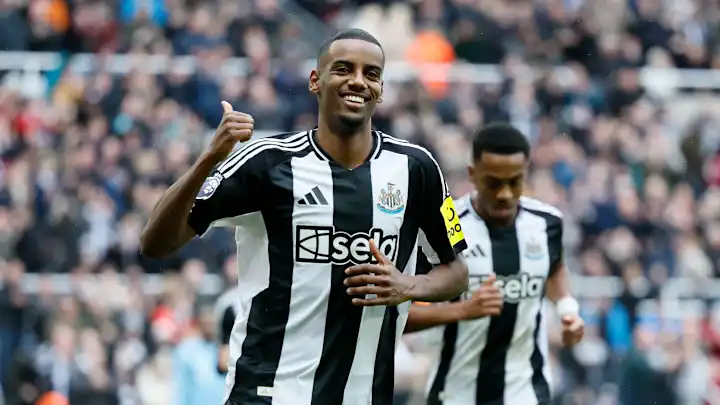
When Alexander Isak left Newcastle United in the summer of 2025, the club didn’t just lose a striker, they lost the heartbeat of their attack. Six months on, the absence of that heartbeat is echoing through a season that feels disjointed, lacking the clarity and menace that defined last year’s surge. For all the talk of fixture congestion, injuries, and tactical tweaks, one truth keeps resurfacing: Newcastle are discovering what life looks like without a player who made Europe’s best defences sweat.
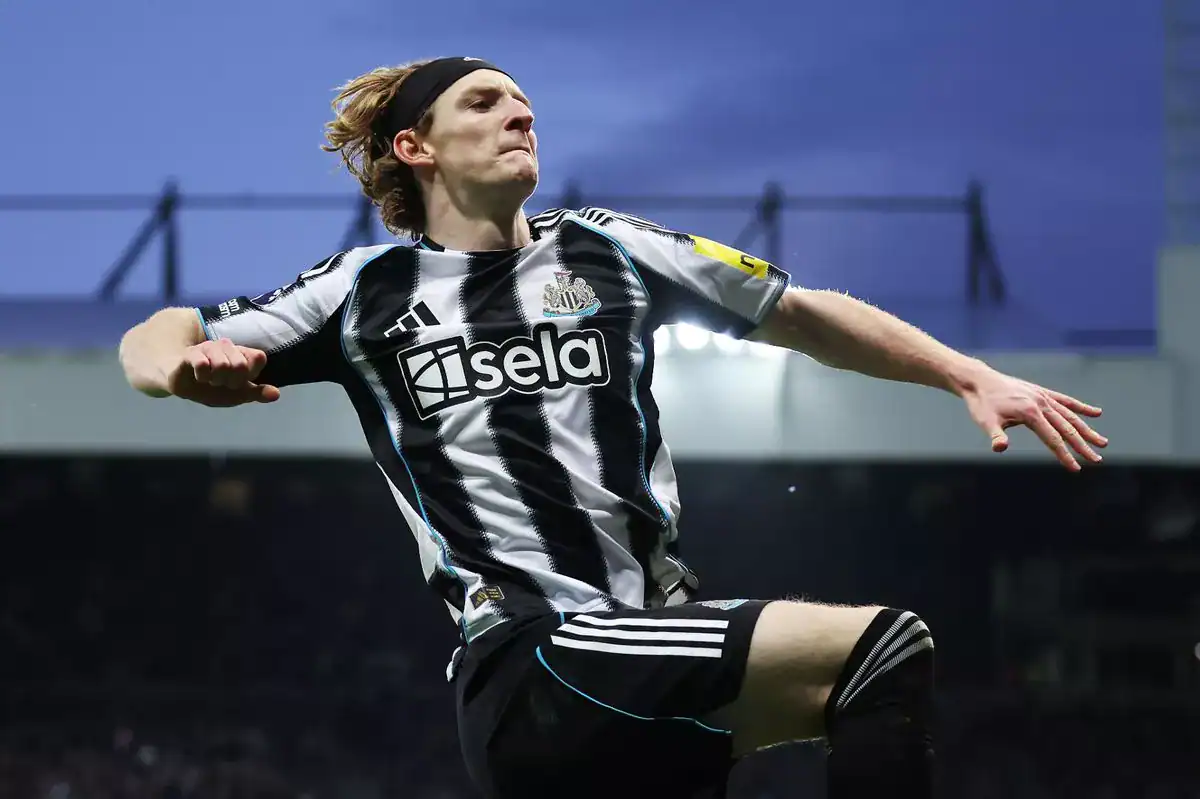
On spring nights in 2024, Anthony Gordon felt inevitable. He played with that shoulder-dropping menace St James’ Park loves: driving at full-backs, darting inside centre-backs, slipping passes across the six-yard box like he owned those inches of grass. In the Premier League alone that 2023/24 campaign brought a blend of goals and assists that made him Newcastle’s most reliable forward threat, with 26 goal contributions in 35 games. He was a force that season, regularly beating his man, causing panic in defences and producing a steady stream of decisive actions. It looked like Gordon had cracked the code — the blueprint for sustained success was right there in front of him.
There is a particular mood that settles over a season when the calendar tips into January.
Hope is still alive, but it is bruised. The table tells one story, Europe tells another, and the gap between expectation and reality starts to feel either bridgeable or terminal. For Newcastle United supporters in the winter of 2025/26, that feeling is uncomfortably familiar, and oddly encouraging.

There is something about Christmas football that strips teams back to their essentials. The schedule is relentless, the margins thin, the noise loud. You learn quickly who you are and, just as importantly, who you are not.
There are years that you measure by results, and there are years that you measure by feelings. For Newcastle United, 2025 was both, a ledger of extremes written in ink and emotion. The calendar opened with something that had stopped feeling possible and began to feel mythic: a major domestic trophy. Seventy years since the last one, two generations since the club last placed silver beside the black-and-white, and then, finally, this. The old photographs, the sepia legends, the tales passed down in pubs and living rooms acquired a present tense. It mattered beyond the metal; it gave shape to belief.

Before we get into who’s doing what, it’s worth grounding the terms. A progressive pass is a forward ball that meaningfully moves a team closer to the opposition goal. Think of it as a pass that breaks lines, shifts a possession from safety into danger, turns midfield space into a platform for attack, or is a ball played directly into the opposition box. It’s a build-up metric: it rewards the players who move the ball into zones where chances can happen, even if they aren’t the ones playing the final ball.