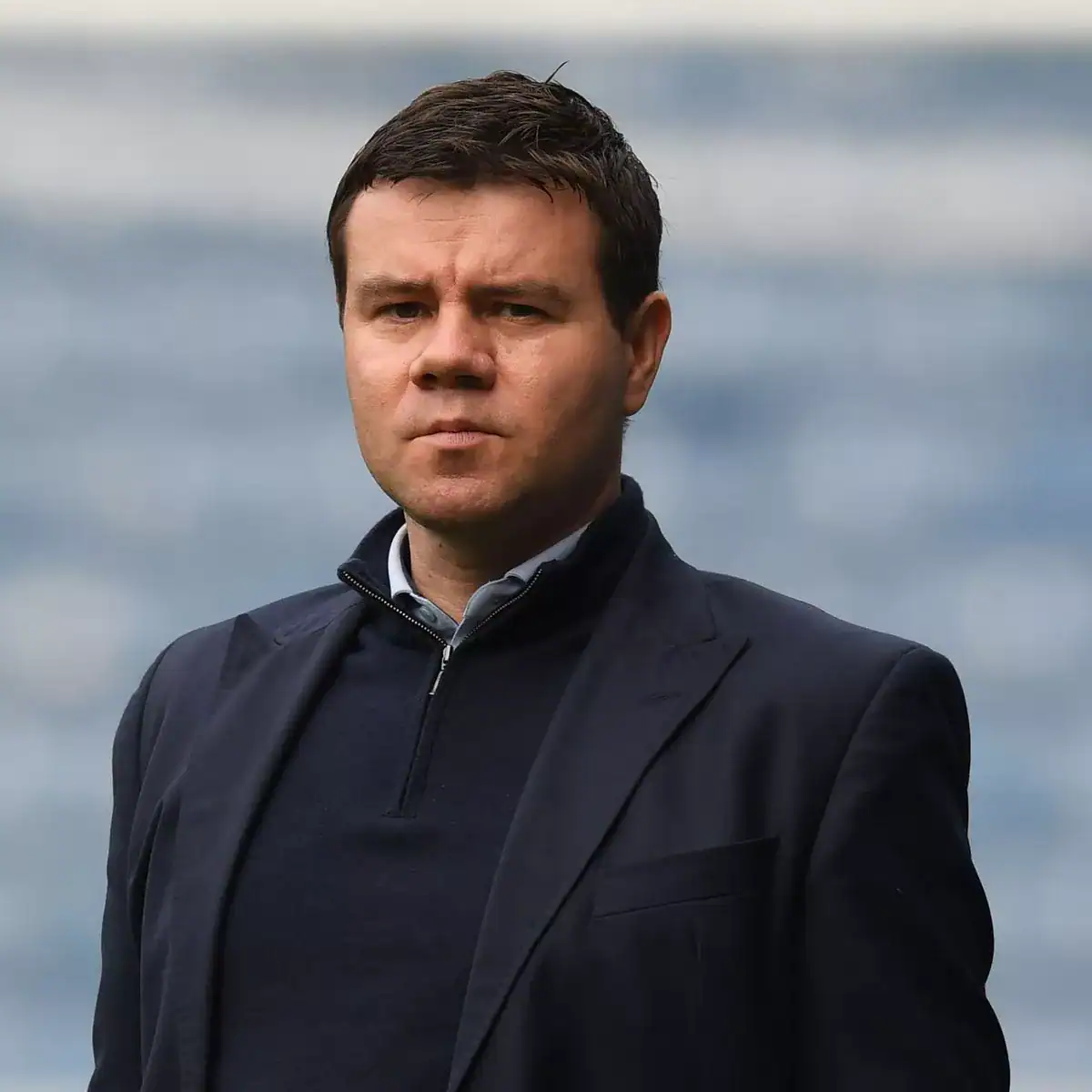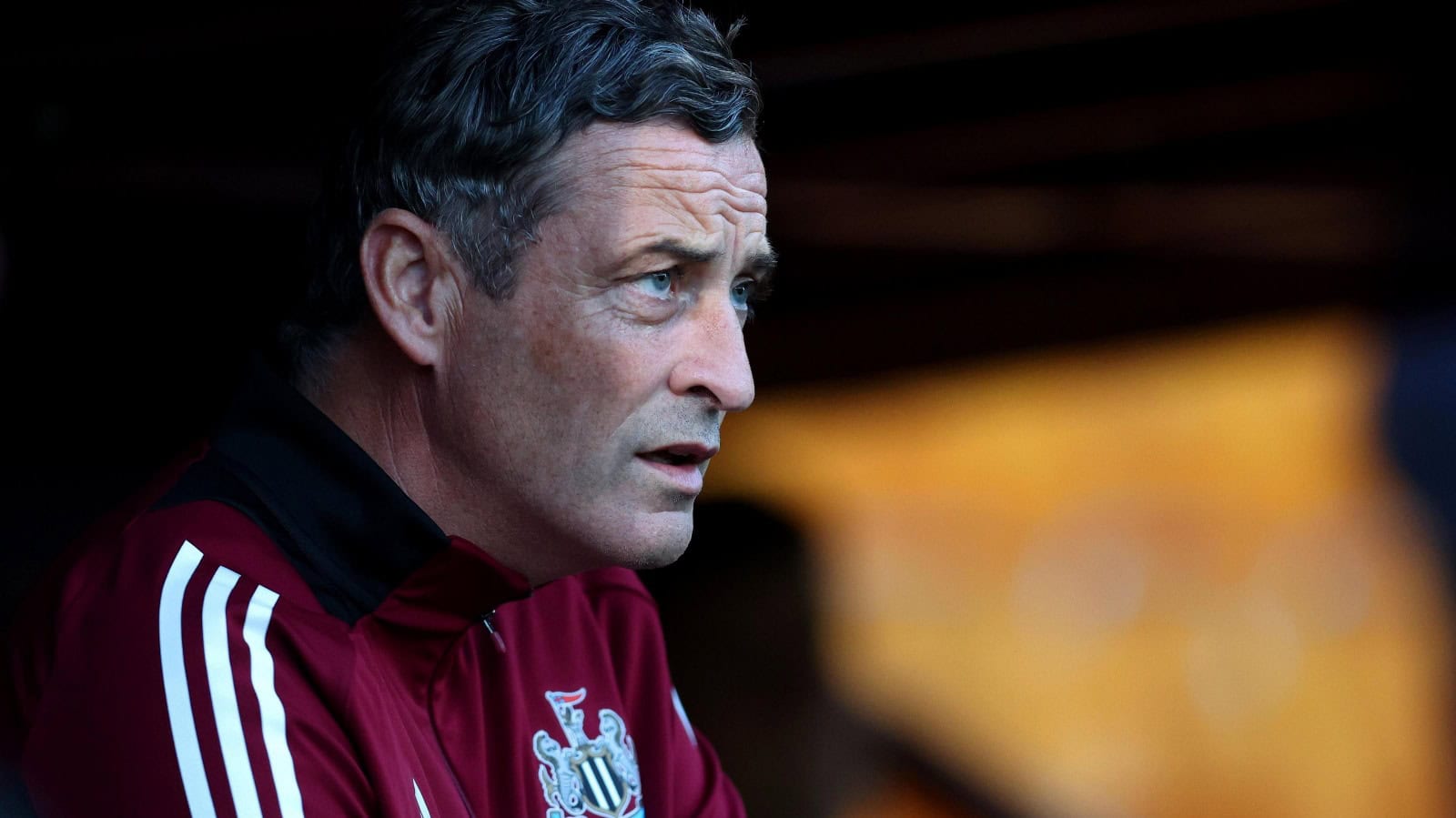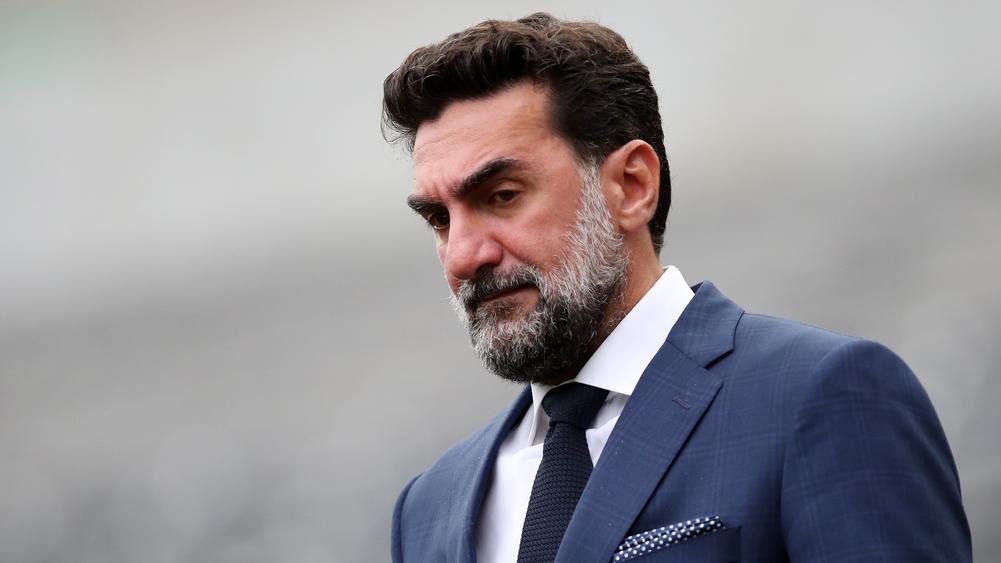

Newcastle United is finally showing signs of life off the pitch. With the appointment of David Hopkinson as CEO now expected to be confirmed, and Ross Wilson reportedly lined up to take over as Sporting Director, there may at last be the beginnings of an executive structure capable of doing more than firefighting.
Add to that the quiet arrival of Sudarshan Gopaladesikan as Technical Director and the internal promotion of Jack Ross to Head of Football Strategy, and you have the makings of a functioning leadership team, something the club has conspicuously lacked for the best part of a year.
But the question remains: why has it taken this long? And can this team succeed where others, stripped of authority and clarity, have been allowed to fail?
A year of inertia
Since the unceremonious removal of Amanda Staveley and Mehrdad Ghodoushi, two of the few senior figures who were willing to speak publicly and engage with supporters, Newcastle United has been trapped in something of a holding pattern. Neither progressing nor collapsing. Just… drifting.
Darren Eales has remained in post for 10 months despite announcing his intention to step down for health reasons way back in September. Paul Mitchell’s ill-fated 11 months as Sporting Director was as harmful as it was fruitless – unless you count not signing Trafford last summer and taking Isak’s new contract off the table, before disappearing without explanation. Infrastructure projects have ground to a halt, with still no announcement on what plans they have for the stadium and a site for the new training ground still hasn’t even been identified. Several transfer windows have passed by without a single meaningful signing, while this current transfer window has been…disappointing to say the least. And through it all, the silence from ownership was deafening.
And yet, during this vacuum off the pitch, Eddie Howe delivered something extraordinary. Despite not having had his squad strengthened in over two years, he guided Newcastle to Carabao Cup glory , the club’s first major trophy in decades and secured a fifth-place finish, returning the club to the Champions League. It was an overachievement that bought time. But time is running out.
And now, that rudderless approach, combined with a lack of visible ambition and the club’s failure to deliver on reported promises of a new contract for Alexander Isak, appear to have contributed directly to the striker’s unrest and desire to leave. When even your best players start looking for the exit, it’s not just about money, it’s about trust in the direction of the club
Is this the turning point?
That’s why this sudden wave of appointments matters. Not because any one individual will change the club’s fortunes on their own. But because, together, they suggest an actual structure might finally be forming.
- Hopkinson brings heavyweight commercial experience.
- Ross Wilson, for all his divisive reputation, is a proper football executive.
- Suds, brought in from Atalanta, offers data-led technical expertise.
- Jack Ross, promoted internally, brings alignment with Howe and long-term continuity.
For the first time in a long time, there is the outline of a leadership spine. But it will mean nothing unless these individuals are trusted and empowered to act.
Who is David Hopkinson, and what can he bring?
Hopkinson, 54, is no stranger to big clubs or global sports environments. His CV is sharp and serious:
- President & COO at Madison Square Garden Sports, overseeing operations for the New York Knicks and Rangers, two of America’s highest-profile franchises.
- Global Head of Partnerships at Real Madrid, managing commercial strategy at one of the biggest brands in world football.
- Chief Commercial Officer at Maple Leaf Sports & Entertainment in Toronto, responsible for building the commercial backbone of organisations like Toronto FC and the Raptors over a 23-year tenure.
In short, Hopkinson is a seasoned executive who understands how to monetise elite sport at scale, from brand building and partnership development to venue strategy and global expansion. He’s also worked in environments where fanbases demand accountability and results, useful training for the pressures of St James’ Park.
What he’s not is a front-of-house operator like Eales. Hopkinson is a business-first figure, not a press-facing figurehead. If he succeeds, it’ll be because he’s been allowed to get behind the curtain and modernise the commercial and operational core of the club, not because he wins fans over with a few good interviews.
PIF must finally step up
This past year wasn’t just a gap in personnel, it was a failure of ownership. PIF created the void. Their silence, detachment and refusal to empower decision-makers left the club directionless.
If this new leadership group is going to succeed, PIF must give them full authority to act decisively. That means letting Hopkinson shape the business. Letting Wilson lead on football. Backing Suds to build a modern technical framework. Trusting Jack Ross to link it all together.
Because another year like the last one, and Newcastle will find themselves slipping backwards, not just in the table, but in relevance.
Final word
The chaos of the past year has been self-inflicted. Newcastle United have operated like a club without a plan, and only Eddie Howe’s excellence has kept that reality from boiling over.
Now, with Hopkinson expected to be confirmed, Wilson on the way, and internal structures taking shape, the opportunity is there to correct course.
The pieces are finally on the board. Now PIF must let them play.