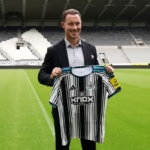

Newcastle United enter the summer of 2026 knowing that the months ahead will be pivotal in determining whether the club can meaningfully advance toward its ambition of joining the world’s elite by 2030. The messaging from the top has been bold, consistent and unapologetically ambitious, but this summer such aspirations must be matched with clear, coordinated action across the squad and the club’s wider football operations. A sense of drift has crept into recent seasons, and the need for a decisive reset has now passed from speculative discussion into accepted reality. Newcastle 2.0 is no longer a concept; it is a requirement.
Howe at the Centre, but a Squad in Transition
Despite growing frustrations in the stands and difficult moments on the pitch, the club’s hierarchy remain firmly behind Eddie Howe. They are convinced that the issues holding Newcastle back are structural and personnel‑based rather than managerial. Howe’s role in stabilising the club, securing European football and setting new standards on and off the pitch has earned him capital that leadership are not prepared to discard lightly. The rebuild is intended to support him, not replace him. Continuity in the dugout is seen as an asset at a time when continuity elsewhere may be harder to achieve.
The squad around Howe, however, is set for sweeping change. Several senior players are reaching natural departure points. Aaron Ramsdale’s loan has not provided the evidence Newcastle hoped for in identifying a future No. 1. Kieran Trippier’s influence, once transformational, has been gradually eroded by the physical demands of the position. Emil Krafth, a dependable but limited squad option, is expected to move on. Fabian Schär presents a more nuanced case; although out of contract and now in the latter stage of his career, his quality, professionalism and leadership still offer genuine value. Should he choose to stay, he could serve as an important bridge across this transitional period.
Underperformance and the Market Realities Ahead
Beyond those whose departures feel predetermined, the club will consider reasonable offers for players who have not fully found their place in this evolving project. Joe Willock has shown glimpses but never sustained the level his potential once promised. Nick Woltemade has struggled to find a tactical fit, looking misaligned with Howe’s system despite his physical and technical advantages. Yoane Wissa and Anthony Elanga, both theoretically well‑suited to the squad’s needs, have failed to deliver meaningful contributions. Moving them on is less about blame and more about restoring strategic coherence.
At the same time, Newcastle face the uneasy possibility of losing players they desperately want to keep. Anthony Gordon and Tino Livramento, both highly rated across the Premier League, are attracting interest from clubs offering Champions League football. Sandro Tonali’s situation remains complicated by the recurring pull Italian players often feel toward returning home. And Bruno Guimarães, the emotional centrepiece of the team and its captain, now approaches a moment where personal ambition and club trajectory must align. He joined Newcastle believing they would challenge for titles within five years. With that timeline approaching, the club knows it must demonstrate progress or risk losing its most influential figure.
A Major Squad Rebuild, and the Scale of the Challenge
Even if Newcastle were to retain all their key assets, the squad already requires significant investment. A new starting goalkeeper is essential, with the long‑term succession plan still unresolved. A striker is needed to provide cutting edge and reliability at the highest level. A right winger must be sourced to bring dynamism and end product. Depth at full‑back and midfield is necessary, especially given the likelihood of multiple departures.
This is a demanding set of needs before factoring in any sales. Should major players depart, the task becomes even more complicated. Ross Wilson, overseeing his first full summer with full authority over recruitment, inherits a landscape where Newcastle’s signings must be both impactful in the short term and sustainable in the long term. The club cannot afford scattergun spending or speculative bets. The rebuild must be structured, cohesive and aligned with both the manager’s style and the ownership’s long‑term plan.
Youth, Experience and the Balance Required
A significant strategic shift toward younger, high‑potential players is already underway. This approach aims to lower the average age of the squad and align player peak years with the club’s 2030 target. But the club is acutely aware that youth cannot carry a Champions League‑ambitious project alone. If senior players depart en masse, leadership within the squad becomes thin, and the risk of destabilisation increases considerably. The most successful rebuilds blend potential with proven quality, and Newcastle know they must supplement promising arrivals with experienced professionals capable of setting standards and absorbing pressure.
Ownership Under Scrutiny and a Summer That Must Deliver
Beyond the pitch, this summer also poses a wider test for the ownership’s credibility. Delays in infrastructure projects, leadership turnover, and a sense of diminishing momentum have led to growing scepticism among supporters. The ambitious language around the club’s future needs to be matched by visible action. This summer offers the ownership an opportunity to reassert commitment and demonstrate that the club’s long‑term vision remains intact and fully backed.
Newcastle United stand at a crossroads. The next few months will not simply define the upcoming season; they will shape the club’s trajectory for years. If executed well, the reset can push the project forward with renewed purpose. If mishandled, it risks stalling a journey that once felt unstoppable. This is more than a transfer window. It is a moment of truth—not only for Eddie Howe and Ross Wilson, but for the entire project Newcastle United have laid out to the world.