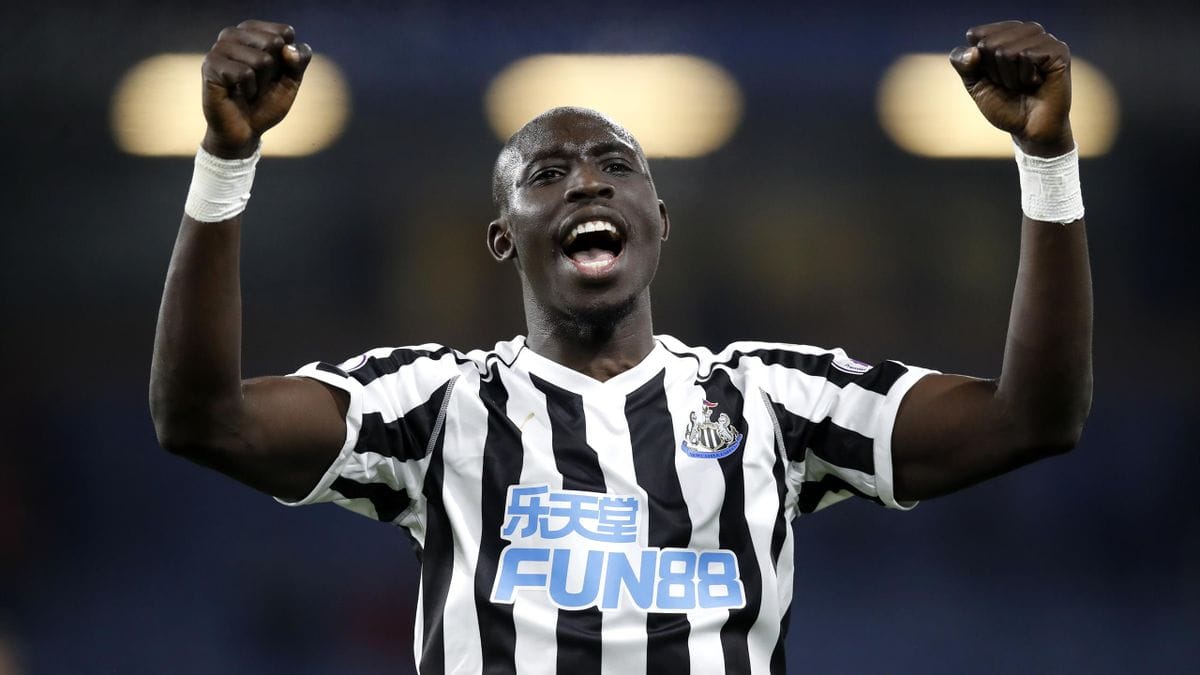
Cheick Tioté: The Relentless Midfield Engine Who Captured Newcastle Hearts
Cheick Tioté was never the loudest player on the pitch. He didn’t seek the spotlight or deliver grand interviews, but for six years at Newcastle United, Tioté’s tireless graft, ferocious tackling, and indomitable spirit made him a heartbeat of the team, and a cult hero on Tyneside.
The Ivorian’s journey to St James’ Park began far from the Premier League’s glare. Born in Yamoussoukro, Tioté grew up playing football barefoot in the streets of Ivory Coast. His raw talent caught the eye of scouts, and he moved to Europe as a teenager, joining Anderlecht in Belgium before making his name at FC Twente in the Netherlands under the management of Steve McClaren. It was there that Tioté helped the club win their first-ever Eredivisie title in 2009–10, showing a blend of ball-winning intensity and positional discipline that attracted Premier League suitors.
Newcastle secured his signature in August 2010 for a modest £3.5 million. It quickly proved to be one of the most astute signings of the Mike Ashley era.
Tioté arrived in the North East quietly, but it didn’t take long for fans to learn his name. On the pitch, he played with the sort of relentless energy that endeared him to the St James’ Park faithful. He wasn’t flashy, his role wasn’t to score or assist, but he was the kind of player who made others around him better. Positioned in front of the back four, he broke up play, recycled possession, and covered ground with frightening efficiency.
It was under Alan Pardew’s stewardship that Tioté became a mainstay, particularly during the 2011–12 season, when Newcastle mounted an unexpected push for Champions League qualification, ultimately finishing fifth. In midfield, Tioté formed a formidable partnership with Yohan Cabaye: the Frenchman’s guile and passing range meshed perfectly with Tioté’s steel and industry. Behind the flamboyance of Hatem Ben Arfa and the goalscoring prowess of Demba Ba and Papiss Cissé, Tioté was the silent anchor, the stabiliser in a volatile system.
But perhaps his most iconic moment came not in a season of triumph, but during a game that epitomised the emotional rollercoaster of supporting Newcastle United. On February 5, 2011, Newcastle were trailing 4–0 at home to Arsenal after just 26 minutes. What followed was one of the most extraordinary comebacks in Premier League history. The score was 4–3 when the ball dropped to Tioté on the edge of the area in the 87th minute. In one swift motion, he lashed a 25-yard volley into the bottom corner. His only goal in 156 appearances for Newcastle was enough to secure a 4–4 draw and secure his place in Geordie folklore. He sprinted away in wild celebration, and 52,000 fans erupted.
That moment was more than just a great goal, it encapsulated the fighter’s mentality Tioté brought to every game. He didn’t give up, even when logic said the contest was over.
Over time, injuries began to take their toll. Though still a valued squad member, Tioté’s minutes waned as managerial upheaval and squad changes shifted the club’s priorities. In February 2017, after nearly seven years of service, he left Newcastle to join Beijing Enterprises Group in China. The move was quiet, just as his arrival had been.
Heartbreakingly, just a few months later, Tioté collapsed during a training session in Beijing and died on June 5, 2017, aged just 30. His passing sent shockwaves through the football world. Former teammates, managers, and fans paid tribute to a player who never stopped working, never complained, and gave his all every time he wore the shirt.
In many ways, Tioté represented a bright spot during a turbulent era under Mike Ashley’s ownership, a period marked by cost-cutting, relegation battles, and fan unrest. He wasn’t a superstar, but he was a player fans could believe in: honest, committed, and utterly fearless.
For Newcastle supporters, Cheick Tioté will always be remembered not just for that goal, but for what he symbolised: grit, loyalty, and relentless determination. He was a player who played like the city he represented, tough, proud, and passionate.
Gone far too soon, Tioté’s legacy lives on in the hearts of those who watched him leave everything on the pitch. A warrior in black and white.